
Being Naked
Suddenly you realise you're exposed. Everyone can see you. Nakedness dreams are among the most common. And most embarrassing. Yet they carry vital messages about vulnerability, authenticity, and self-acceptance.
🧠 Freud's Interpretation
Freud connected nakedness dreams to childhood innocence and suppressed exhibitionism. Children feel no shame about their bodies. That shame is learned. The dream takes the dreamer back to a pre-shame state, but the adult psyche responds with embarrassment. Freud also noted that the bystanders in the dream typically show no reaction. Suggesting the shame is entirely internal and self-generated.
📖 Show source
Freud, S. (1900). The Interpretation of Dreams. Franz Deuticke, Vienna.
🔮 Jung's Interpretation
For Jung, being naked in a dream meant being stripped of the persona. The social mask we wear. Without clothing, the true self is revealed. The dream asks: who are you when all pretence is removed? Jung saw this as a crucial stage of individuation. The sometimes painful but necessary exposure of the authentic self beneath the roles we play.
📖 Show source
Jung, C. G. (1964). Man and His Symbols. Aldus Books, London.
✨ Spiritual Interpretation
Spiritually, nakedness dreams are a call to authenticity. They invite you to shed the layers of pretence and social conditioning that keep your true self hidden. Many spiritual traditions celebrate nakedness as a state of purity. The soul without adornment. The dream may be asking: where in your life are you hiding who you really are?
📖 Show sources
Ibn Sirin (8th c.). Tafsir al-Ahlam.
Moss, R. (2009). The Secret History of Dreaming. New World Library.
⚡ Biosynchronous Analysis
Nudity dreams activate the default mode network and social evaluation circuits. The prefrontal cortex simulates public exposure. The cortisol response in the dream matches real social evaluation stress.
📖 Show sources
Pesant, N. & Zadra, A. (2006). Dream content and psychological well-being. Dreaming, 16(3). · Yu, C. K.-C. (2008). Typical dreams of Chinese people. Dreaming, 18(1).
📊 From the Ethyria Community
Most Common Companion Symbols
 Exams & Failure (22 %)
 Being Chased (17 %)
 Falling (13 %)
 Ex-Partner (11 %)
🔄 Common Variations
Naked in public with shame
Fear of being seen for who you truly are. Social anxiety, imposter syndrome, or hidden insecurity.
Naked but nobody notices
Your fears of being "found out" are unfounded. Others are not as focused on your flaws as you imagine.
 Houses & Rooms
Partially undressed
Only part of your true self is exposed. You are selectively vulnerable. Showing some things while hiding others.
 Water & Ocean
Naked and feeling proud
Self-acceptance. You are comfortable with who you are and no longer fear judgement.
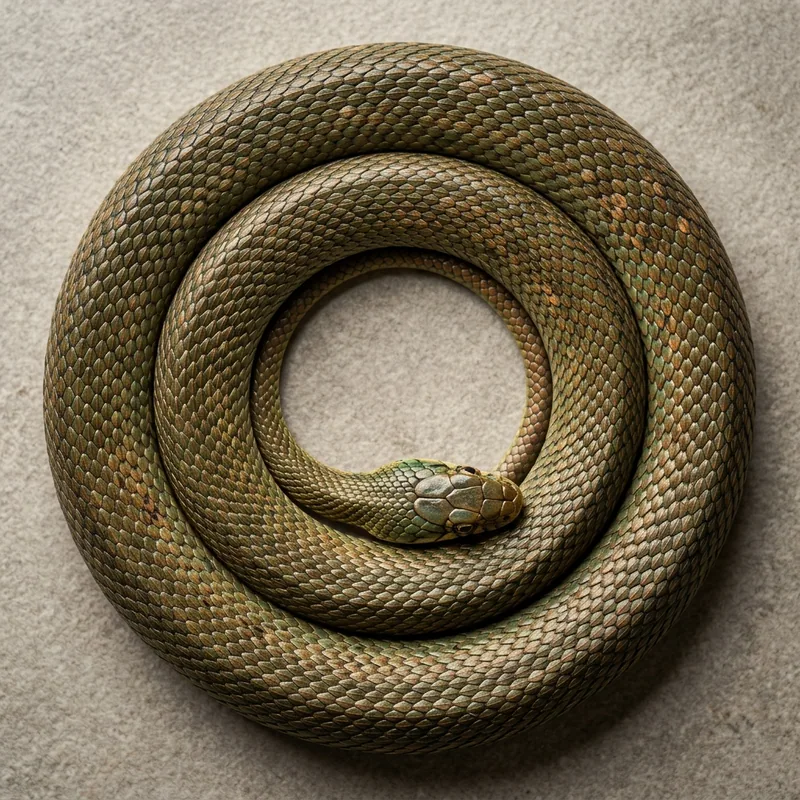 Snakes
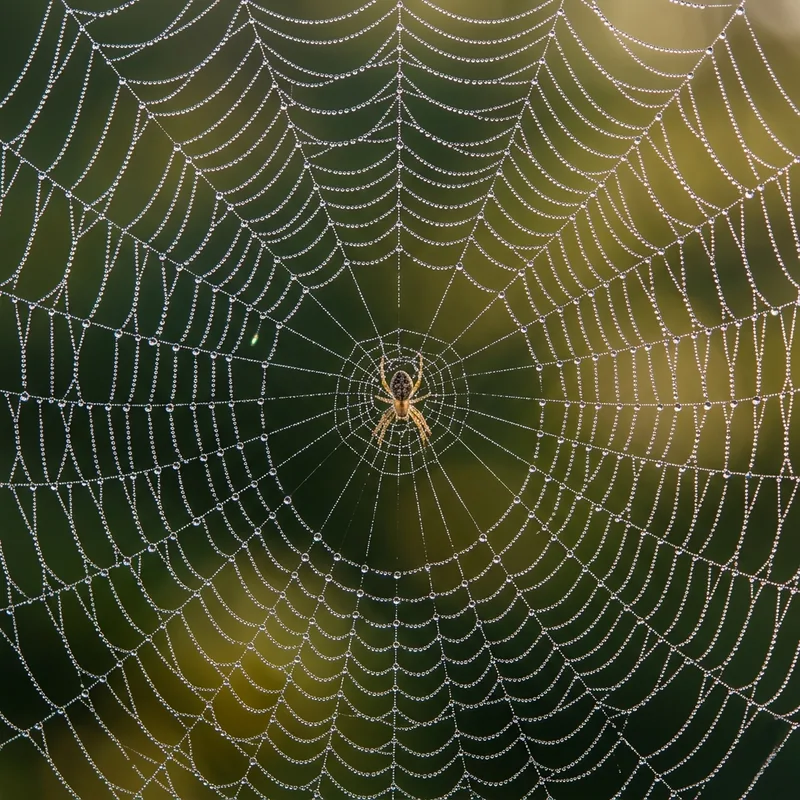 Spiders
 Flying
 Pregnancy