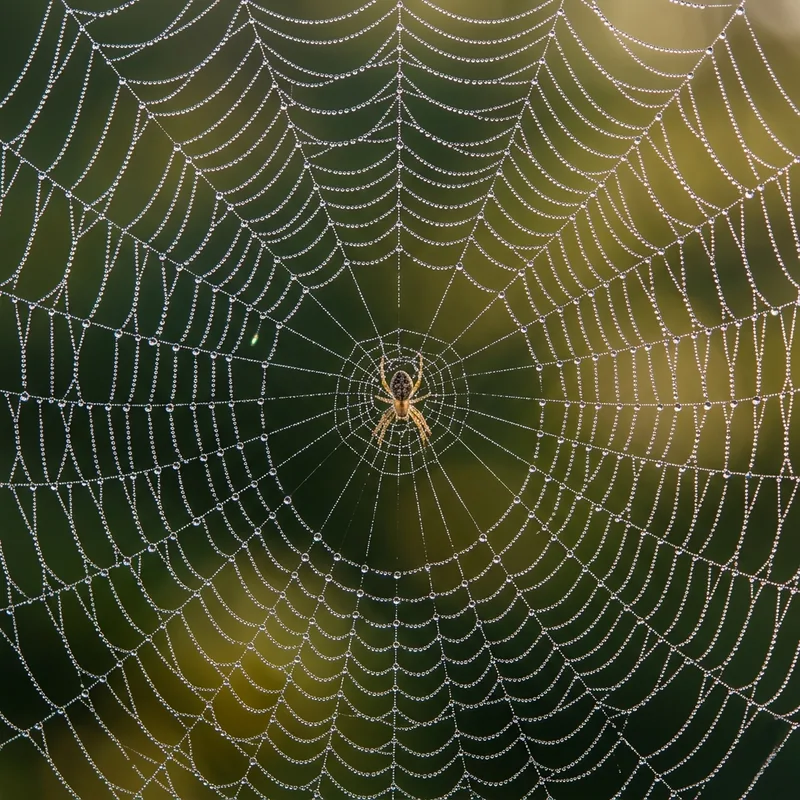
Spiders
Spiders provoke an intense reaction. Both in waking life and dreams. But behind the initial shudder lies a rich symbol of creativity, feminine power, and the invisible threads that connect our lives.
🧠 Freud's Interpretation
Freud associated the spider with the dominating mother figure. The spider at the centre of its web represented the all-controlling mother who ensnares and devours. Spider dreams, for Freud, reflected unresolved conflicts with maternal authority. The mother who nurtures but also suffocates. The web itself symbolised the intricate emotional entanglements of family dynamics.
📖 Show source
Freud, S. (1900). The Interpretation of Dreams. Franz Deuticke, Vienna.
🔮 Jung's Interpretation
Jung saw the spider as the weaver of fate and an expression of the anima . The inner feminine in every person. The spider spins reality from within itself, creating structure from nothing. In Jungian terms, a spider in a dream often represents your relationship with creativity, patience, and the unconscious feminine forces that shape your life from behind the scenes.
📖 Show source
Jung, C. G. (1964). Man and His Symbols. Aldus Books, London.
✨ Spiritual Interpretation
In many spiritual traditions, the spider is the great creator. The weaver of the world. In Native American traditions, Spider Grandmother wove the fabric of reality. In African mythology, Anansi the spider is the trickster and storyteller. Dreaming of a spider may mean you are being called to create, to weave your own story, or to pay attention to the intricate web of connections in your life.
📖 Show sources
Ibn Sirin (8th c.). Tafsir al-Ahlam.
Moss, R. (2009). The Secret History of Dreaming. New World Library.
⚡ Biosynchronous Analysis
Spider dreams activate the visual cortex especially intensely. The brain processes the spider shape as "hyper-relevant." Studies show even infants react to spider images with increased pupil response, indicating an innate detection template.
📖 Show sources
New, J. & German, T. (2015). Spiders at the cocktail party: An ancestral threat that surmounts attention. Evolution and Human Behavior, 36(3). · Hoehl, S. et al. (2017). Itsy bitsy spider: Infants react with fear to spiders. Frontiers in Psychology, 8.
📊 From the Ethyria Community
Most Common Companion Symbols
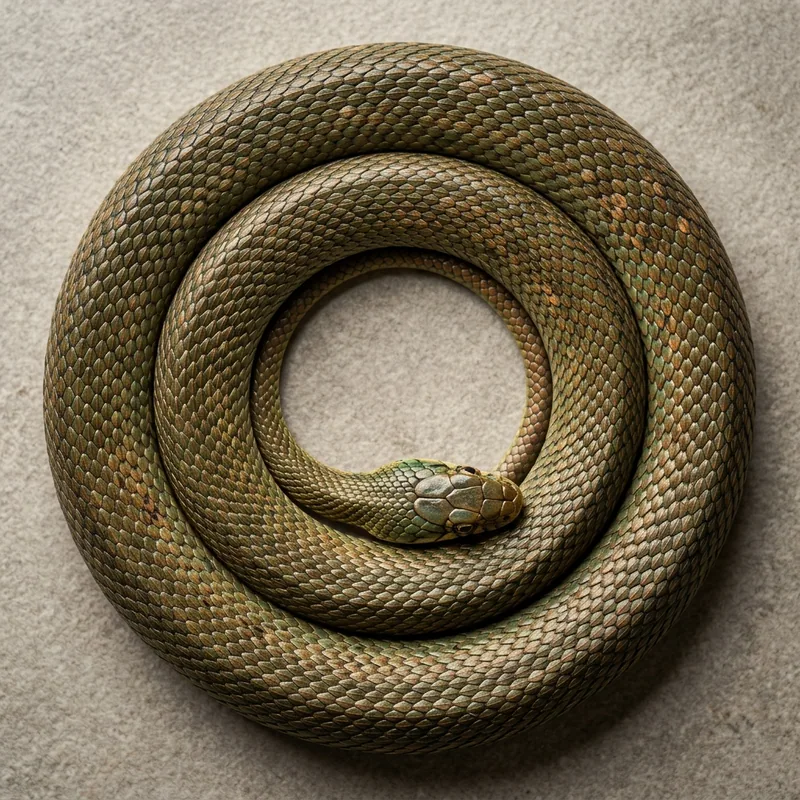 Snakes (23 %)
 Being Chased (17 %)
 Houses & Rooms (14 %)
 Being Naked (10 %)
🔄 Common Variations
A large spider
An overwhelming presence in your life. Someone or something feels all-consuming and impossible to escape.
Many small spiders
Multiple minor anxieties accumulating. No single issue is critical, but together they create a sense of being overwhelmed.
Walking into cobwebs
Getting caught in a situation you didn't see coming. Invisible structures are trapping you.
 Falling
 Water & Ocean
Being bitten by a spider
A catalyst. Something has penetrated your defences and is injecting new awareness or change into your life.
 Ex-Partner
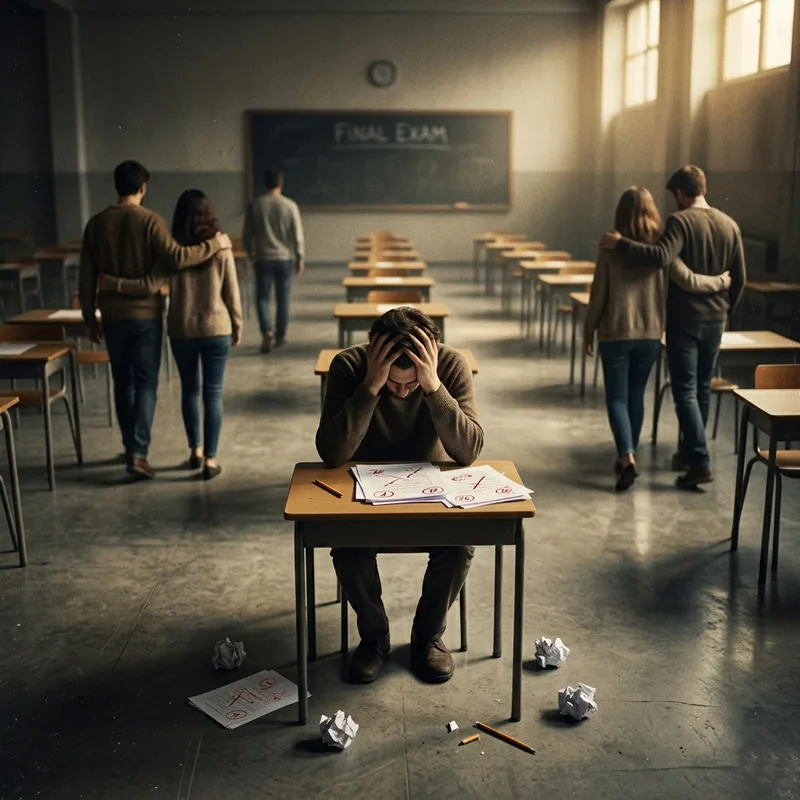 Exams & Failure