Dream Interpretation
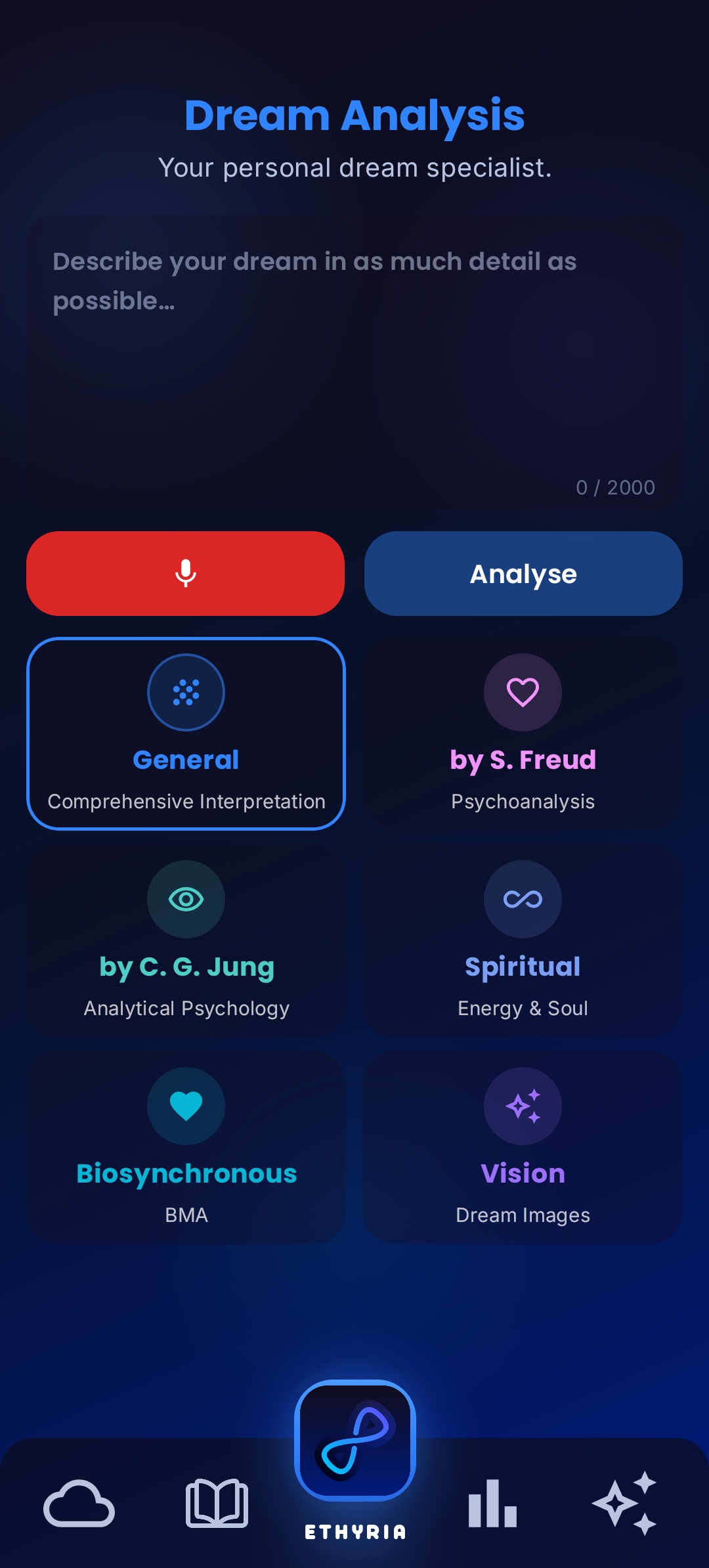
Five perspectives on your dream. Freud. Jung. Spiritual. Biosynchronous. General. You decide how to read your dream.
AI-powered dream interpretation with a depth and precision no other app reaches

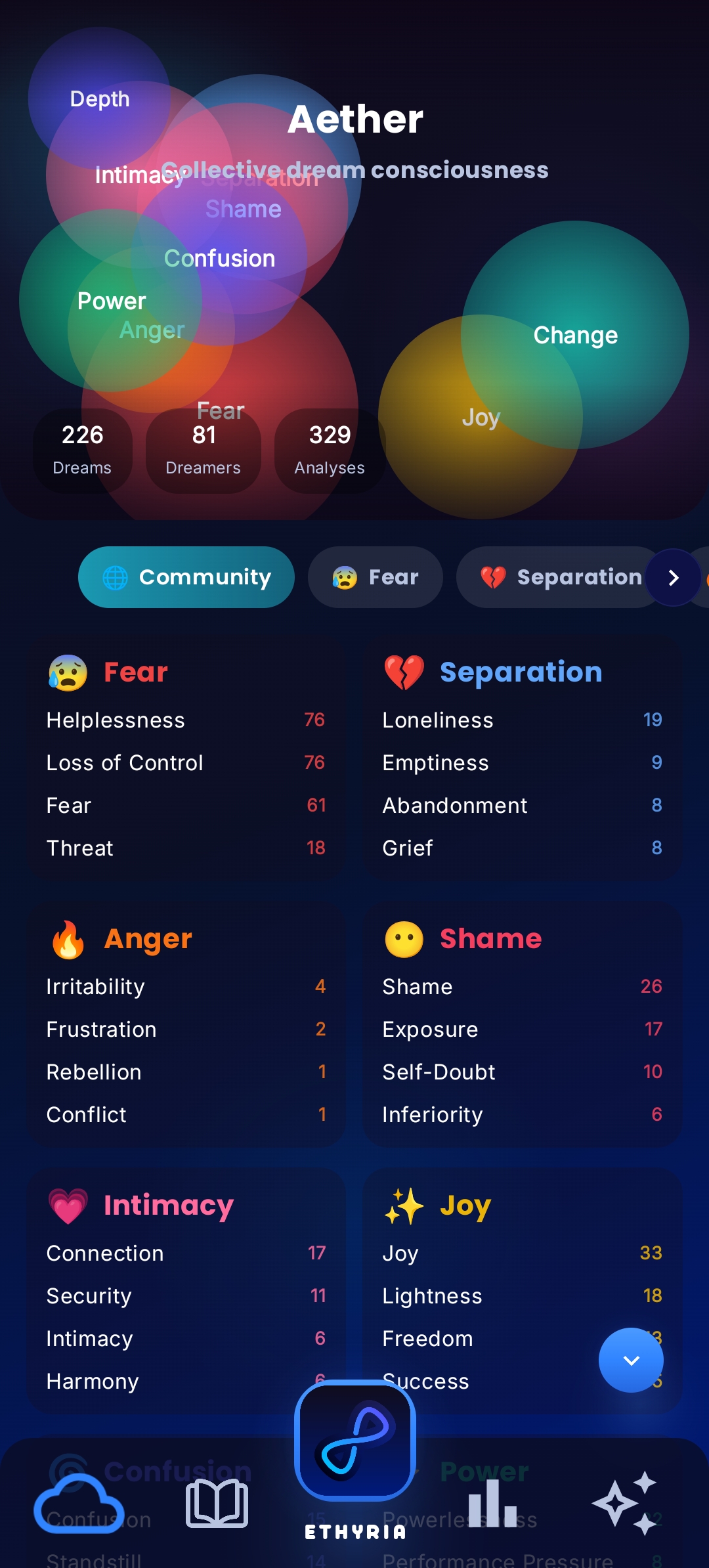
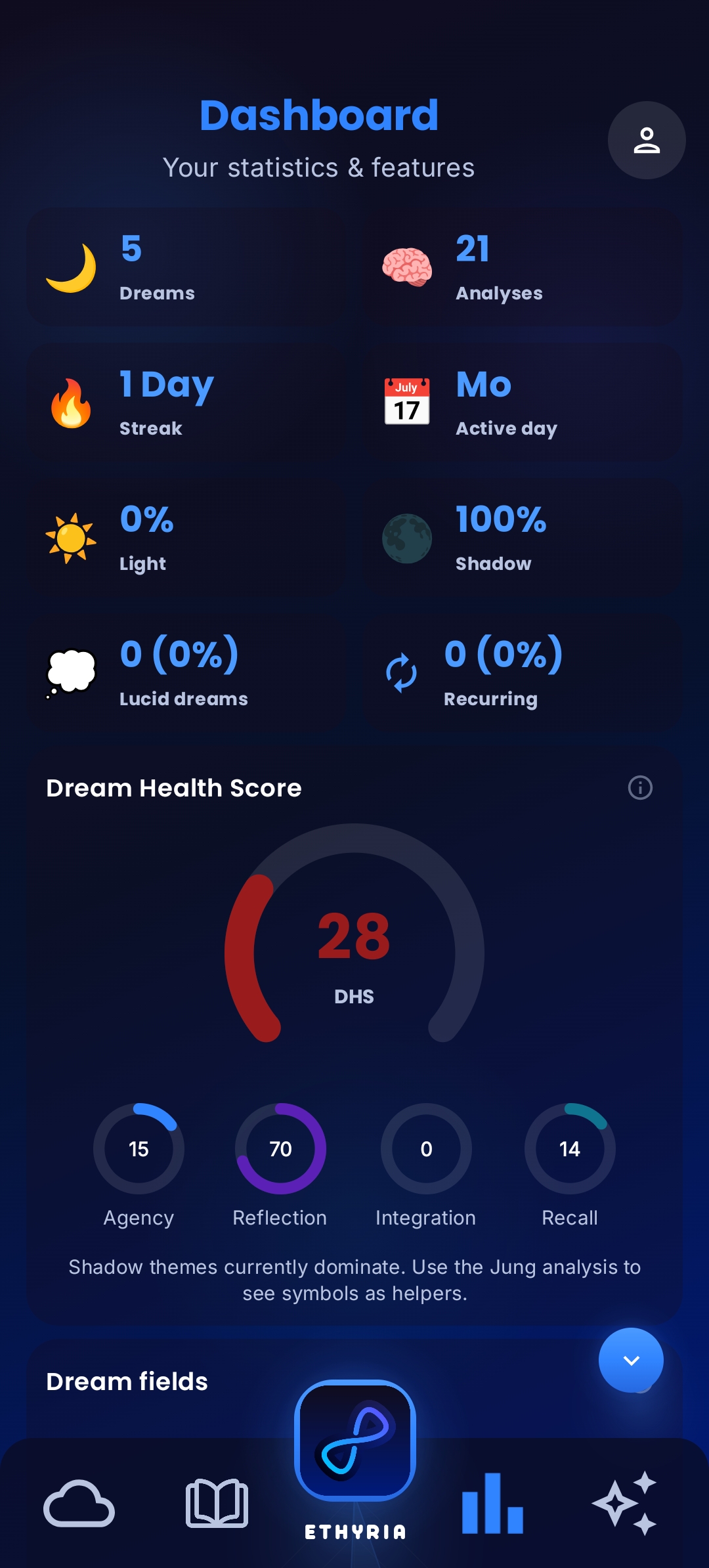
Three real screens. Dream interpretation. Community. Statistics.
Five perspectives on your dream. Freud. Jung. Spiritual. Biosynchronous. General. You decide how to read your dream.
See what other users dreamed last night. Shared dream themes. Global patterns. A community in the making. Every dream you share is part of it.
Which symbols keep recurring? Which emotions accompany you every night? Here you see what repeats in your dreams.
No dream has just one truth. Ethyria shows you five completely different angles on the same dream. You decide which perspective resonates.
You can't dream a dream twice. But you can see it. Three ways to turn your night into an image.

The one image that stays. Ethyria finds the symbol your subconscious keeps returning to. And makes it visible.

How did your dream feel? Ethyria translates the feeling into light, color and atmosphere. Not an image of your dream. An image of your feeling.

The whole scene. Everything you experienced. One single image. To look at. To remember. To immerse yourself in.
Every image was generated by Ethyria's AI from a real dream.




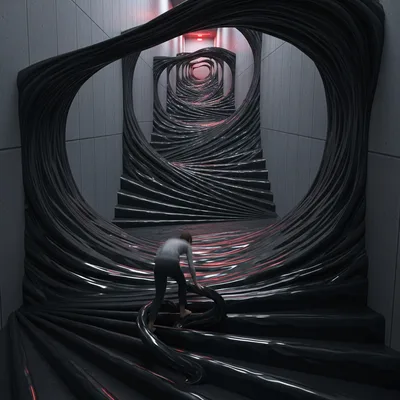


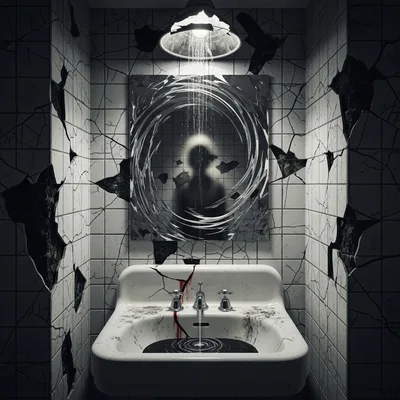


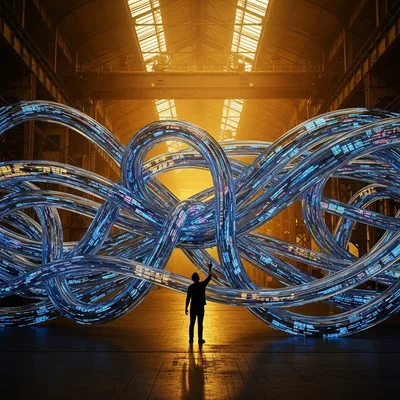


Dreams are the most honest voice we have. At night, what we explain away by day falls away. Ethyria gives that voice the attention it deserves.
The idea started with a simple observation: we remember our dreams but we do not understand them. Journals stay unread. Symbols stay unsolved.
Ethyria connects psychological knowledge with AI so that anyone can read their own inner language. Not as diagnosis. As a tool for self-knowledge.
More about usImages. Feelings. Fragments. That's all that remains. Ethyria turns them into a dream interpretation you truly understand.
Write down what you experienced. Type it or speak it. Ethyria recognizes symbols, places and emotions in your narrative. In real time.
How do you want to read your dream? Choose the perspective that speaks to you. Each reveals something different. No compromise. Full focus.
Ethyria traces the emotional journey of your dream. Where was the tension highest? Where did relief come? You see what you felt. Before you could name it.
The building you couldn't leave. Being barefoot. The fog. Ethyria shows you what lies behind the images your subconscious chose for you.
Your dream becomes something you take with you. A question that stays in your mind all day. An impulse that moves you forward.
"In which area of your life are you searching for a 'room' you haven't found yet? And what's stopping you from opening the right door?"
From tonight. Scientifically grounded, easy to keep, rooted in the app.
Four short questions. Your answers determine your starting point.
Five reasons why this dream interpretation app feels different from anything you've tried before.
Water, teeth, flying, being chased. Every symbol carries a message. Discover the psychological depth behind your dreams.

Emotions, the unconscious, processing
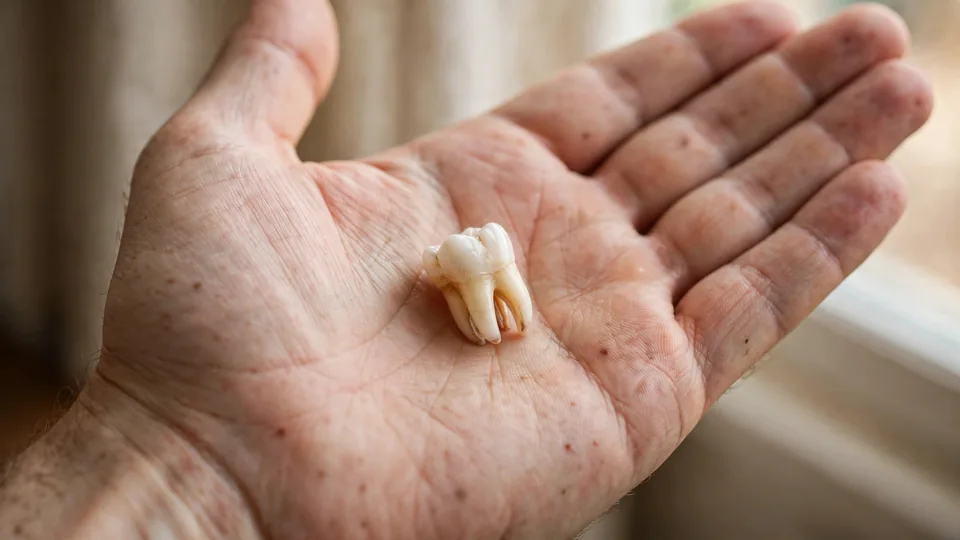
Identity crisis, anxiety, transformation

Freedom, creativity, shift in perspective

Repressed fears, shadow, confrontation
Ethyria has analyzed 874 dreams.
"Finally an app that doesn't just list dreams but truly interprets them. The 5 perspectives showed me things I never would have seen on my own."
"I was skeptical about AI dream interpretation. But the analysis was so precise that I understood what my subconscious had been trying to tell me for weeks."
"The voice input is genius. I describe my dream right after waking up and get an instant deep analysis. No other app can do that."
Briefly explained, where dream research actually has evidence.
Transparent answers about dream interpretation with AI, dream interpretation apps, dream symbols, data privacy, Freud vs. Jung and the digital dream journal.
Your dreams are intimate. That is why we are open about how Ethyria works and what happens to your data.
Dream texts are transmitted encrypted and never sold to third parties.
Your dream journal lives in secure cloud storage, accessible only to you.
The interpretations come from an AI, not from a licensed therapist.

Founder of Ethyria and the driving force behind connecting dream psychology with AI. With a lifelong fascination with the language of the unconscious, he built Ethyria as a calm, private space for self-knowledge.
Ethyria is a tool for self-reflection. It is not a substitute for medical or psychological diagnosis or professional support.
Download Ethyria. Free. No sign-up.
Start tonight.